
How to Prepare for Your Commercial Insurance Renewal in Texas
Most commercial insurance renewals in Texas go badly for the same reason: the process starts 30 days before expiration, when the business owner has already lost every piece of leverage they could have used. By the time quotes come back, there is no time left to negotiate, no time to compare, and no time to push for better terms. The renewal ends up being whatever the carrier happened to put on the table.
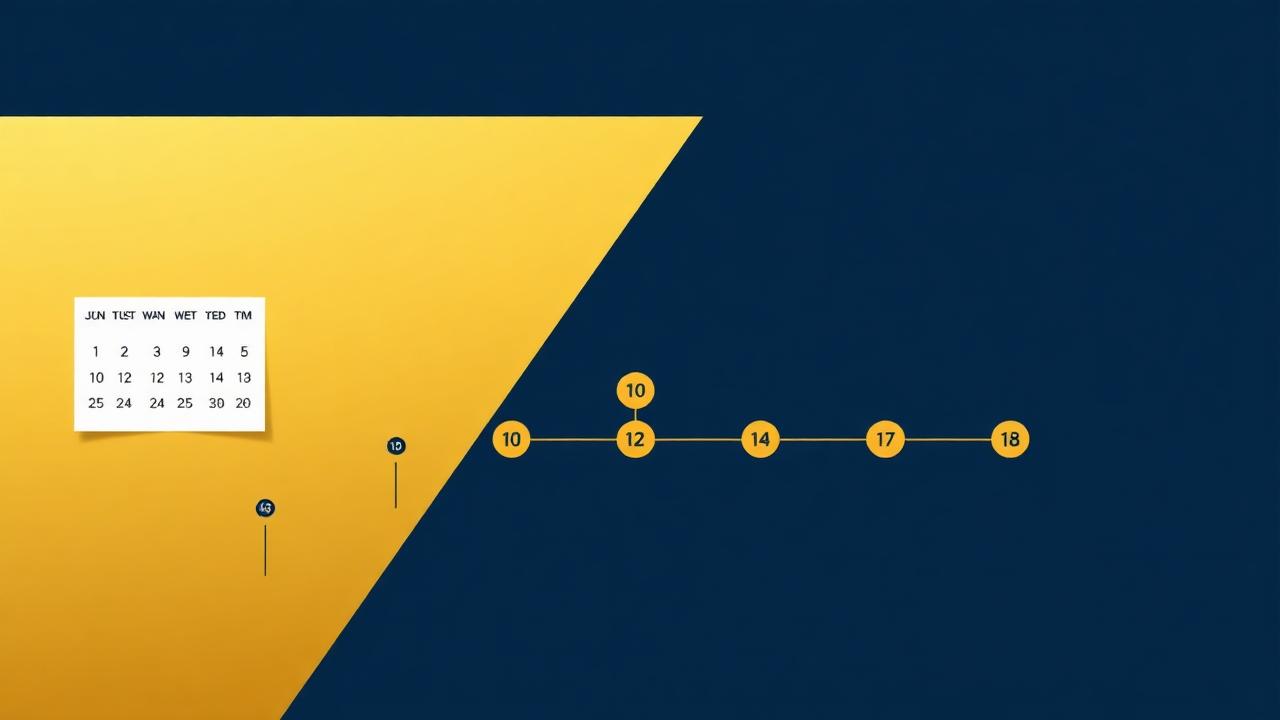
It does not have to work that way. A real renewal is a project — not a phone call. Here is what a prepared Texas business owner does at the 120, 90, 60, and 30 day marks, and how the Premium Negotiation Strategy maps to each one.
Why Renewal Timing Decides the Outcome
Underwriters work on a schedule. The earlier they see a clean, complete submission with current loss runs, updated payrolls, and supporting documentation, the more attention they can give it — and the more flexibility they have on rating tiers, credits, and terms. Submissions that hit their desk inside the last 30 days get treated as fire drills. Submissions that hit at 90+ days get treated as opportunities. That is the entire game.
The Texas Renewal Timeline
120+ Days Out — Set the Strategy
This is the most important window and the one most agents skip. At 120 days, you and your agent should be reviewing your current policy in detail: coverage limits, endorsements, exclusions, classifications, payroll splits, and any gaps that have opened up as the business has changed over the last year. You should also be deciding which carriers belong on the marketing list, which need direct underwriter calls, and what your priority order is — price, terms, claim handling, or some mix.
90 Days Out — Call the Carriers
At 90 days, your agent should be on the phone with the actual underwriters who will be looking at your account. Not the marketing reps — the underwriters. These calls reveal real market intel: where appetite has shifted, what the renewal direction looks like, whether your industry is getting tightened up or opened up. That intel becomes the foundation of your negotiation strategy.
60 Days Out — Submit and Negotiate
With a clean submission already prepared and the carrier conversations already happening, the 60-day mark is when offers start coming back. This is when the negotiation actually happens — pushing on credits, challenging classifications that have drifted, asking for endorsement adjustments, and stacking options side by side.
30 Days Out — Decide With Full Information
By 30 days out, every option should already be on the table in plain language. No surprises, no last-minute scrambles, no "we will have to go with this because there is no time left." Just a clear decision with full information.
How the Premium Negotiation Strategy Maps to the Timeline
The Premium Negotiation Strategy is a 5-step process built around this exact timeline. We start 120+ days out so you are never rushed. We call the carriers so you know where you stand. We build the strategy with you. You see every move before we make it. And when the offers come back, we negotiate — but you decide.
The point is not the steps themselves. The point is that you, the business owner, stay in control of your own renewal from start to finish.
What to Have Ready Before Your Next Renewal
- Current declarations pages for every line of coverage
- Last 3-5 years of loss runs from each carrier
- Updated payroll splits by class code (for workers comp)
- Current vehicle schedule with VINs, garaging addresses, drivers (for commercial auto)
- Updated property schedule with replacement cost values and protection details
- Any major operational changes — new locations, new services, headcount changes
If you can pull these together at the 120-day mark, you are already ahead of 90% of accounts. If you cannot, that is fine too — that is what your agent should be doing for you.